How EV Charging and Water Heating Shape Household Electricity Costs
EV charging brings households to time-based electricity pricing, but overall savings are not determined by EV charging alone. In homes with electric storage water heaters, water heating is also a significant electricity user. Unmanaged water heating can materially affect the outcome.
An electric water heater also functions as an effective form of energy storage. By shifting water heating, stored hot water can be used throughout the day without exposure to higher-cost periods.
In our analysis, a water heater controller is used to shift water heating to low-cost hours. This prevents daytime operation from eroding savings achieved through EV charging and further generates substantial savings from water heating alone.
Ontario - ULO: EV charging alone is not sufficient for savings
Save On Hydro in Ontario – EV charging
and Water heating
Ontario’s Ultra-low Overnight (ULO) plans rewards EV owners for shifting vehicle charging to overnight hours. Our case study shows that a typical household with EV charging and electric water heating can save over $200/year overall under ULO. More than $130/year of this reduction comes from shifting water heating to overnight alone. Without shifting water heating overnight hours, daytime operation would have increased annual water heating cost over $90, eliminating any overall savings.
EV charging alone does not guarantee overall household savings under ULO.
In Ontario, our analysis shows that overall household savings emerge once a sufficient share of total electricity use is shifted to low-cost hours—about 45–47% in the case studied. Below this threshold, unshifted daytime usage can erode gains and, in some cases, lead to higher overall costs.
Our case study shows that a typical household with EV charging and electric water heating can save about $220/year. About $79/year of this reduction comes from from shifting water heating to overnight alone. Without overnight water heating, daytime operation would have increased annual cost over $24/year.
Without heating water overnight, total household savings under TOD are reduced by roughly half.
In British Columbia, our analysis shows that overall household savings emerge once more than 24% of total electricity use is shifted to low-cost hours. Below this threshold, unshifted daytime usage can erode gains or lead to higher overall costs.
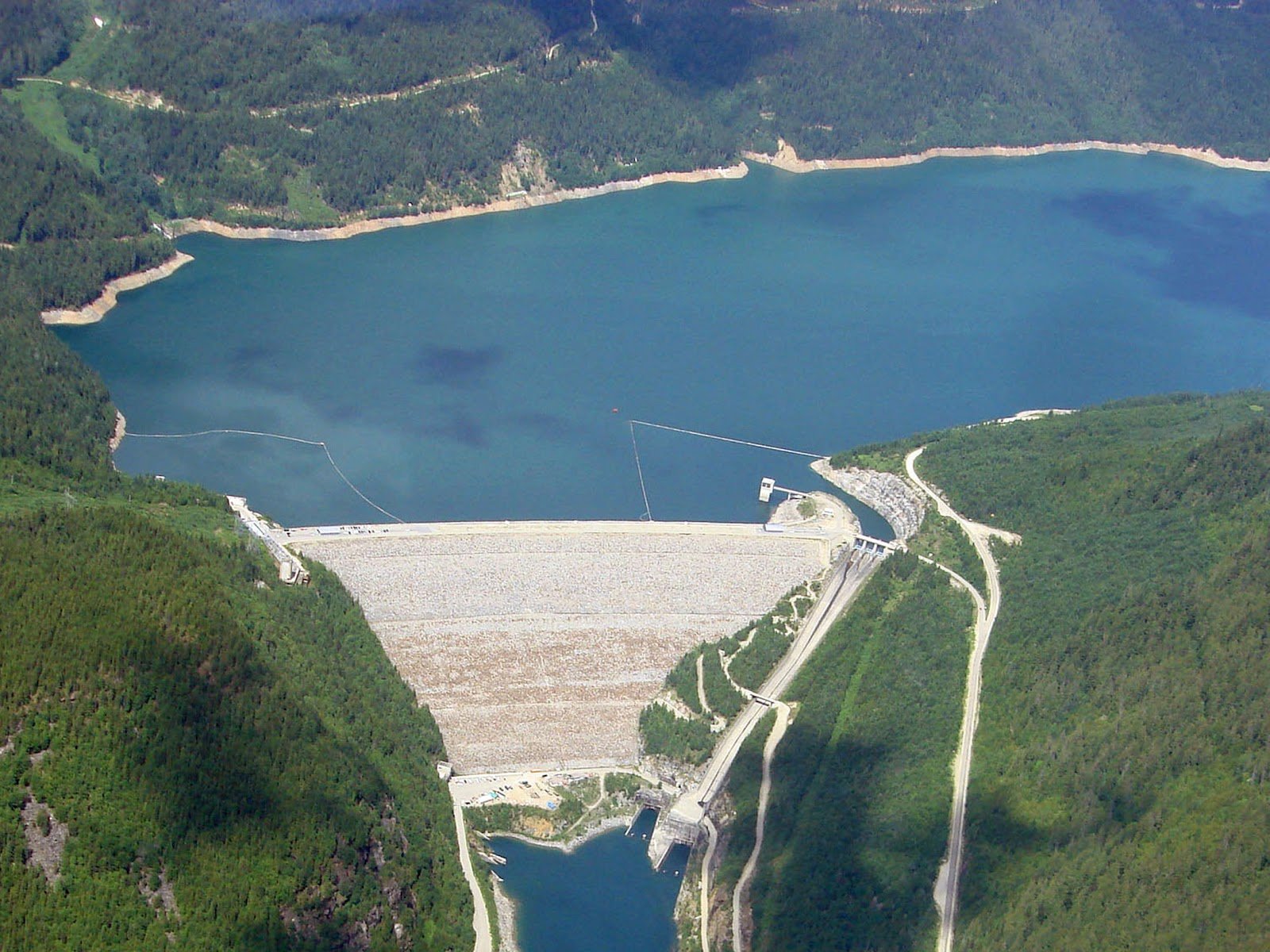
Built in 1973, 240 meters, Canada's tallest dam. The generating station has capacity of 2805 MW.
Smarter Water Heating — Simple, Automatic, Effective
A smart water‑heater controller takes care of the timing for you. It schedules heating during the ultra‑low overnight hours, tracks energy use, and ensures you always have hot water when you need it — at the lowest possible cost.
Automatic overnight scheduling aligned to ULO/TOU periods with programmable control
Optional usage monitoring to visualize savings over time
Comfort‑first: keeps water ready for mornings and guest days
Drop‑in compatibility with standard electric tanks; no plumbing changes
We use cookies to ensure that we give you the best experience on our website. If you continue to use this site we will assume that you are happy with it.